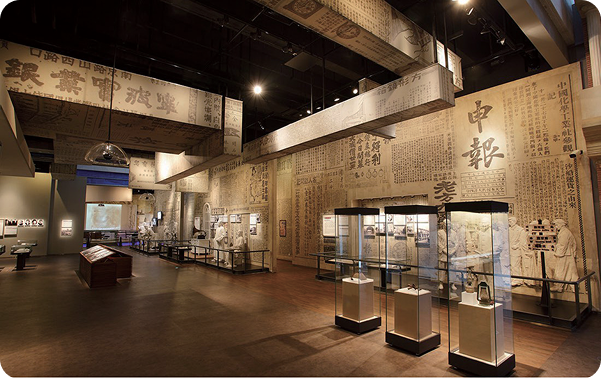
Inside the museum, visitors are welcomed by an impressive collection of artifacts and displays, carefully organized to describe the story of Ningbo’s lively history.
The Ningbo History Museum stands not only as a cultural point of interest but also as proof of Wang Shu’s forward-thinking approach, respecting the past while impacting the future of architecture in China.
More Questions

Read 3 해석

Inside the museum, visitors are welcomed by an impressive collection of artifacts and displays, carefully organized to describe the story of Ningbo’s lively history.
박물관 내부에서는 닝보의 생동감 넘치는 역사를 묘사하기 위해 정성스럽게 구성된 인상적인 유물과 전시물들이
관람객을 맞이합니다.
The Ningbo History Museum stands not only as a cultural point of interest but also as proof of Wang Shu’s forward-thinking approach, respecting the past while impacting the future of architecture in China.
닝보 역사 박물관은 단순히 문화적 명소일 뿐만 아니라, 과거를 존중하면서도 중국 건축의 미래에 영향을 미치는
왕슈의 진보적인 접근 방식을 보여주는 증거이기도 합니다.
전체 해석보기
문장별 해석보기

Quiz 1

What is the name of the Chinese architect who designed the Ningbo History Museum?
His name is Wang Shu.
Words & Phrases
  • testament
    n. 증거, 입증
    clear proof that something exists or is true
    e.g.
    The long lines for the new game are a testament to its popularity.
    그 새 게임을 사기 위해 길게 늘어선 줄은 그 게임의 인기를 보여 주는 증거이다.
  • deceased
    a. 사라진, 이미 존재하지 않는
    no longer existing because it ended in the past
    e.g.
    The ancient city is a reminder of a deceased civilization that once thrived there.
    그 고대 도시는 한때 그곳에서 번성했던 사라진 문명의 흔적을 보여 준다.
  • civilization
    n. 문명
    an advanced human society with developed culture and technology
    e.g.
    Ancient civilizations built great cities, systems of writing, and impressive monuments.
    고대 문명은 거대한 도시와 문자 체계, 인상적인 기념물을 만들었다.
  • contemporary
    a. 현대의, 동시대의
    belonging to the present time
    e.g.
    Many young artists combine traditional themes with contemporary styles in their work.
    많은 젊은 예술가들은 자신의 작품에서 전통적인 주제와 현대적인 양식을 결합한다.
  • debris
    n. 잔해, 파편
    broken pieces of things such as buildings, rocks, or wood
    e.g.
    Workers cleared debris from the old buildings before starting the new construction project.
    노동자들은 새 건설 공사를 시작하기 전에 오래된 건물의 잔해를 치웠다.
  • frontage
    n. 건물의 정면
    the front part of a building that faces a street
    e.g.
    The museum has a beautiful stone frontage facing the main square.
    그 박물관은 중앙 광장을 향한 아름다운 석조 정면을 가지고 있다.
  • preservation
    n. 보존, 보호
    the act of making sure that a situation continues without changing
    e.g.
    The old street was restored for the preservation of the city's cultural identity.
    그 오래된 거리는 그 도시의 문화적 정체성 보존을 위해 복원되었다.
  • continuation
    n. 연속, 지속
    something that continues or follows something else that has happened before, without a stop or change
    e.g.
    The new K-drama is a continuation of the story that fans loved last year.
    그 새 한국 드라마는 팬들이 지난해 좋아했던 이야기의 연속이다.
  • artifact
    n. 유물
    an object such as a tool, weapon etc that was made in the past and is historically important
    e.g.
    The museum displays ancient artifacts from many civilizations.
    그 박물관은 여러 문명의 고대 유물을 전시한다.
  • forward-thinking
    a. 진보적인, 미래지향적인
    thinking about new ideas and the future
    e.g.
    The school is known for its forward-thinking approach to cultural education.
    그 학교는 문화 교육에 대한 진보적인 접근으로 유명하다.
  • testament
  • deceased
  • civilization
  • contemporary
  • debris
  • frontage
  • preservation
  • continuation
  • artifact
  • forward-thinking
듣기