1
2
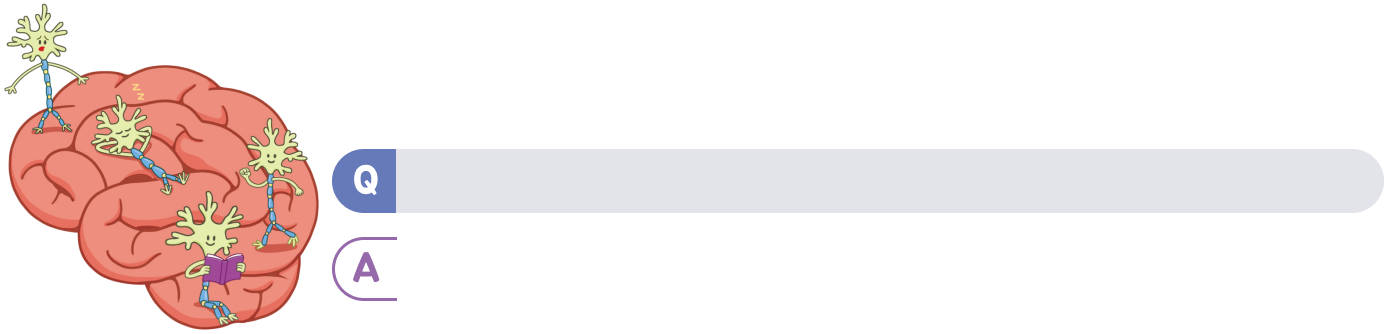
What happens in our brain when we read?
Let’s first start with “letters.”
When you pick up a book
and start to read, your brain recognizes a pattern as
“writing” and sends signals to a special word-decoding
area.
and start to read, your brain recognizes a pattern as
“writing” and sends signals to a special word-decoding
area.
This word-reading area has special skills.
It has
learned to recognize “a” as the same letter no matter
how it is written or what size it is.
learned to recognize “a” as the same letter no matter
how it is written or what size it is.
It also knows that “p”
and “q” are different letters, even though they are
basically the same shape.
and “q” are different letters, even though they are
basically the same shape.
When you pick up a book and start to read, your brain recognizes a pattern as “writing” and sends signals to a special word-decoding area.
When은 ‘…할 때’의 의미를 갖는 시간을 나타내는 종속접속사이다. 주절의 주어 your brain에 동사 recognizes와 sends가 병렬 구조로 연결되었다.
It has learned to recognize “a” as the same letter no matter how it is written or what size it is.
no matter how it is written은 ‘그것(알파벳 a)이 어떻게 쓰였든지 관계없이’라는 뜻이다. or와 what 사이에는 반복을 피하고자 no matter가 생략되었으며 ‘그것이 어떤 크기든지 관계없이’라는 뜻이다.
It also knows that “p” and “q” are different letters, even though they are basically the same shape.
even though는 ‘…에도 불구하고’를 의미하는 양보의 종속접속사이다.
It was on June 23rd that the extraordinary events began to unfold.
<It ~ that ... > 강조구문으로, 이 사건이 일어나기 시작한 날짜인 on June 23rd를 강조하고 있다.
It started as a typical Saturday for the “Wild Boars” team.
It은 사건의 발생 날짜인 6월 23일을 가리킨다.
After a soccer practice, the boys and their soccer coach decided to explore Tham Luang Nang Non caves in Chiang Rai.
After는 ‘…이후에’라는 뜻의 전치사로 사용되었으며, decide는 to부정사(to explore)를 목적어로 취하는 동사로 ‘…할 것을 결정하다’이다.