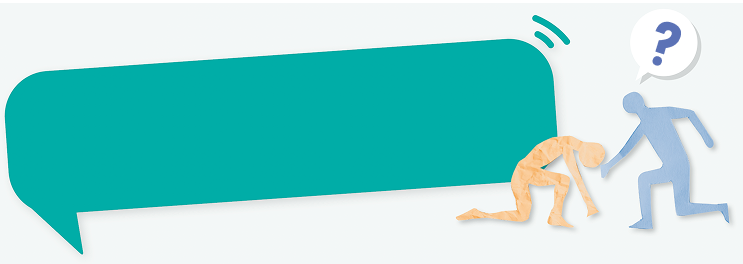
Unsolicited Help: Think Before You Act
Offering help without being asked, known as unsolicited help, can
sometimes result in unintended consequences.
sometimes result in unintended consequences.
Assuming someone’s
needs based on appearances may lead to misunderstandings or even
dangerous situations.
needs based on appearances may lead to misunderstandings or even
dangerous situations.
For example, imagine someone struggling to carry
heavy boxes up the stairs in a subway station.
heavy boxes up the stairs in a subway station.
Out of good intention to
help, you may approach this person and try to carry the boxes.
help, you may approach this person and try to carry the boxes.
But if you
are not careful, you can either drop the boxes and break the items inside or
even injure yourself or others.
are not careful, you can either drop the boxes and break the items inside or
even injure yourself or others.
Offering help without being asked, known as unsolicited help, can sometimes result in unintended consequences.
Offering은 동명사 주어이고, known as unsolicited help는 콤마(,)로 삽입되어 앞선 구를 보충 설명한다.
Out of good intention to help, you may approach this person and try to carry the boxes.
Out of는 ‘동기·원인’을 나타내는 전치사로, 여기서는 ‘도우려는 좋은 의도를 갖고’라는 의미로 사용되었다. to help는 intention을 꾸며 주는 to부정사의 형용사적 용법이다.
They save everything, planning to file, order, and organize the world someday.
planning 이하는 They를 의미상의 주어로 하는 동시 동작을 나타내는 분사구문이다.