Hunger and the Brain
배고픔과 두뇌
What is also affected by an empty stomach is the brain.
공복에 또 영향을 받는 것은 바로 두뇌이다.
Neurologists have found that high levels of cortisol cause the serotonin level in the brain to drop.
신경학자들은 코르티솔 수치가 높아지면 뇌 속의 세로토닌 수치가 감소한다는 사실을 밝혀냈다.
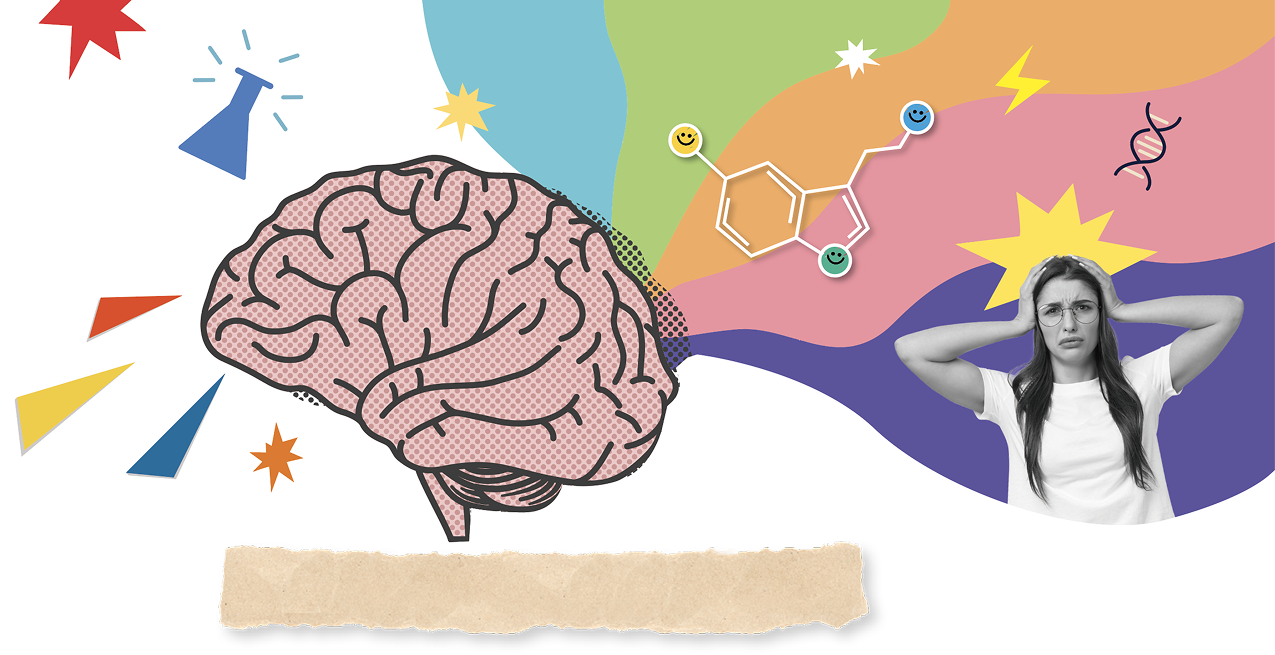
Serotonin is a neurotransmitter that helps communication among neurons in different parts of the brain.
세로토닌은 뇌의 여러 부위에 있는 뉴런 간의 소통을 돕는 신경 전달 물질이다.
Neurotransmitters play a crucial role in maintaining emotional balance and an overall sense of well-being.
신경 전달 물질은 감정의 균형 및 전반적인 안정감을 유지하는 데 중요한 역할을 한다.
When serotonin levels are not balanced, normal functioning of mood regulation is disrupted, which can lead to feelings of sadness, increased irritability, and higher levels of anxiety.
세로토닌 수치가 불균형해지면 감정 조절의 정상적인 기능이 방해를 받고, 이는 우울감, 짜증 증가, 높은
불안감으로 이어질 수 있다.
Neurologists have also come across interesting findings related to hunger and mental state by using brain imaging techniques to take pictures of brain activity.
신경학자들은 또한 뇌 활동의 사진을 찍는 데 뇌 영상 기법을 이용하여 배고픔과 정신 상태와 관련해 흥미로운
사실을 발견했다.
These images clearly show that, when people are hungry, areas related to threat and negative emotions increase in activity, while the activity patterns in areas responsible for higher cognitive skills like self-control and decision-making are greatly altered.
이 영상들은 사람들이 배가 고플 때 위협 및 부정적인 감정과 관련된 영역의 활동이 증가하는 반면, 자기 통제력이나
의사 결정과 같은 더 고차원적인 인지 기능을 담당하는 영역의 활동 양식이 크게 달라진다는 것을 명확히 보여 준다.
Psychology, physiology, and neurology seem to agree that “You’re not you when you’re hungry.”
심리학, 생리학, 그리고 신경학은 모두 “배고플 땐 너답지 않아”라는 말에 동의하는 듯하다.