Hunger and Hormones
Paragraph 4
Psychology is not the only field of science concerned
with the relation between hunger and anger; physiologists
know that hunger leads to changes in body reactions, too.

When we eat bread, rice, or fruit, our digestive system breaks
these foods down into glucose, the main fuel source for the cells
in our body.
It circulates in the blood and gets absorbed by cells for
the energy required for their proper performance.
But glucose levels
fall when we are hungry, preventing cells from performing what they
are supposed to do, an obvious threat to the proper functioning of the
body.
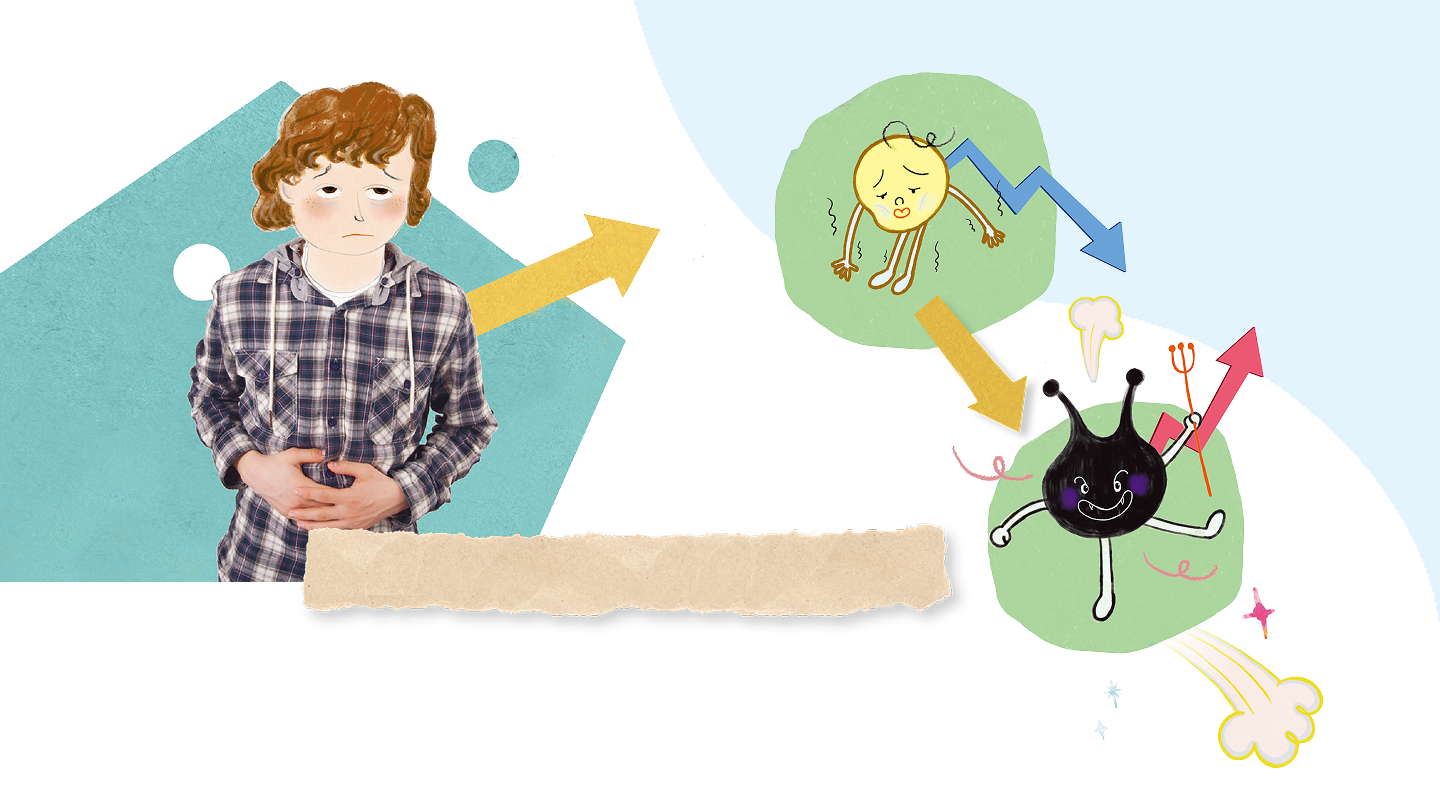
The human body responds to this threat by releasing cortisol, a
hormone that helps our body cope with stressful situations.
Elevated
cortisol levels lead to an increase in heart rate and blood pressure
along with many psychological effects including anxiety, irritation,
and depression.
These physiological reactions seem to be in line with
psychological studies.
prevent A from B
= stop A from B
= prohibit A from B
Psychology is not the only field of science concerned with the relation between hunger and anger; physiologists know that hunger leads to changes in body reactions, too.

concerned with ... anger는 the only field of science를 수식하는 분사구이다.

세미콜론(;)은 내용상 관련 깊은 두 개의 절을 이어주는 역할을 하고 있다.

that hunger ... reactions는 know의 목적어로 쓰인 명사절이다.

But glucose levels fall when we are hungry, preventing cells from performing what they are supposed to do, an obvious threat to the proper functioning of the body.

preventing ... to do는 분사구문으로, 앞 문장을 보충 설명한다.

what they are supposed to do는 선행사를 포함하는 관계대명사 what이 이끄는 명사절로, 이때 what은 the thing that으로 바꿔 쓸 수 있다.

an obvious ... the body는 삽입구로, 앞의 preventing ... to do를 부연 설명한다.

Read 해석

Hunger and Hormones
배고픔과 호르몬
Psychology is not the only field of science concerned with the relation between hunger and anger; physiologists know that hunger leads to changes in body reactions, too.
배고픔과 분노의 관계에 관심을 가지는 과학 분야는 심리학만이 아니다. 생리학자들 또한 배고픔이 신체 반응에
변화를 일으킨다는 사실을 알고 있다.
When we eat bread, rice, or fruit, our digestive system breaks these foods down into glucose, the main fuel source for the cells in our body.
우리가 빵, 쌀 또는 과일을 먹으면, 소화 기관은 이 음식들을 우리 몸 속 세포들의 주요 에너지원인 포도당으로
분해한다.
It circulates in the blood and gets absorbed by cells for the energy required for their proper performance.
그것은 혈액 내에서 순환하며 세포의 적절한 기능 수행에 필요한 에너지를 위해 세포에 흡수된다.
But glucose levels fall when we are hungry, preventing cells from performing what they are supposed to do, an obvious threat to the proper functioning of the body.
하지만 우리가 배가 고프면 포도당 수치는 떨어지고, 세포가 해야 하는 일을 수행하지 못하게끔 막으며, 이는
신체의 적절한 기능에 뚜렷한 위협이 된다.
The human body responds to this threat by releasing cortisol, a hormone that helps our body cope with stressful situations.
인체는 코르티솔을 분비함으로써 이러한 위협에 대응하는데, 이는 우리 신체가 스트레스 상황에 대처하는 데
도움을 주는 호르몬이다.
Elevated cortisol levels lead to an increase in heart rate and blood pressure along with many psychological effects including anxiety, irritation, and depression.
높아진 코르티솔 수치는 불안, 짜증, 우울감 같은 많은 심리적 현상과 더불어 심박수 및 혈압 상승으로 이어질 수
있다.
These physiological reactions seem to be in line with psychological studies.
이러한 생리적 반응은 심리학적 연구 결과와도 잘 맞아떨어지는 것으로 보인다.
전체 해석보기
문장별 해석보기
듣기