Hunger and Psychology
Paragraph 3
The word hangry caught the attention of psychologists, so researchers conducted a series of experiments with over two hundred U.S. college students.
Participants were asked to either skip eating or eat a big meal right before the experiment.
Their performance and behavior at varying levels of difficulty in tasks involving selective attention, mental rotation, writing, and frustration management were recorded and analyzed.
The results showed that participants who skipped eating had poorer performance than those who ate beforehand.
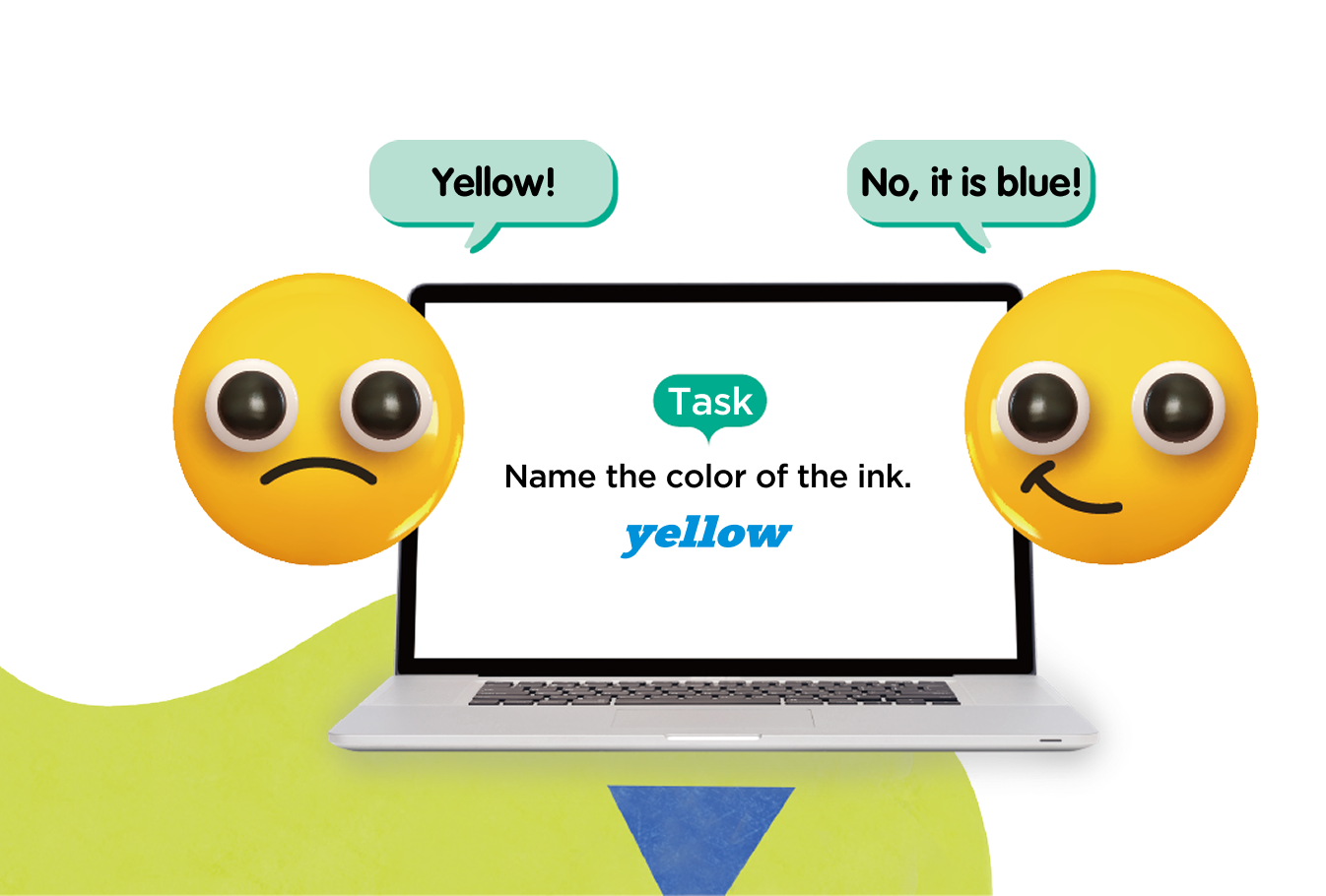
For example, they made more errors on the Stroop task, in which the participants were shown a color name printed in a different colored ink, and they were asked to say either the word or the color of the ink.
Consequently, psychological studies seem to support that an empty stomach contributes to lower attention span and self-control.
Participants were asked to either skip eating or eat a big meal right before the experiment.

either A or B는 ‘A 또는 B’라는 뜻으로 skip eating과 eat a big meal이 or로 연결되어 to에 이어진다.

Their performance and behavior at varying levels of difficulty in tasks involving selective attention, mental rotation, writing, and frustration management were recorded and analyzed.

involving selective ... management는 tasks를 수식하는 분사구이다.

문장의 주어가 Their performance ... frustration management이며, 핵심 주어는 Their performance and behavior로 복수이므로 복수 동사 were가 쓰였다.

For example, they made more errors on the Stroop task, in which the participants were shown a color name printed in a different colored ink, and they were asked to say either the word or the color of the ink.

in which the participants ... color of the ink는 the Stroop task를 수식하는 관계절이다.

printed in a different colored ink는 앞의 a color name을 수식하는 분사구이다.

Consequently, psychological studies seem to support that an empty stomach contributes to lower attention span and self-control.

that an empty ... self-control은 접속사 that이 이끄는 명사절로, support의 목적어이다.

Read 해석

Hunger and Psychology
배고픔과 심리학
The word hangry caught the attention of psychologists, so researchers conducted a series of experiments with over two hundred U.S. college students.
Hangry라는 단어는 심리학자들의 관심을 끌었고, 이에 따라 연구자들은 미국의 대학생 200명 이상과 함께
일련의 실험을 진행했다.
Participants were asked to either skip eating or eat a big meal right before the experiment.
참가자들은 식사를 거르거나 또는 실험 직전에 푸짐한 식사를 하도록 요청받았다.
Their performance and behavior at varying levels of difficulty in tasks involving selective attention, mental rotation, writing, and frustration management were recorded and analyzed.
선택적 주의력, 두뇌 회전, 글쓰기, 좌절감 조절이 포함된 다양한 난도의 과제에 있어서 수행 능력과 행동이
기록되고 분석되었다.
The results showed that participants who skipped eating had poorer perfor mance than those who ate beforehand.
그 결과는 식사를 거른 참가자들이 미리 식사를 했던 참가자들보다 수행 능력이 더 낮았다는 사실을 보여 주었다.
For example, they made more errors on the Stroop task, in which the participants were shown a color name printed in a different colored ink, and they were asked to say either the word or the color of the ink.
예를 들어, 그들은 스트룹(Stroop) 과제에서 실수를 더 많이 했는데, 그 과제는 참가자들에게 다른 색의 잉크로
출력된 색의 이름을 보여 주고, 그 단어나 잉크의 색을 말하도록 하는 것이다.
Consequently, psychological studies seem to support that an empty stomach contributes to lower attention span and self-control.
결론적으로, 심리학 연구들은 공복 상태가 더 낮은 주의 지속 시간과 자기 통제력에 일조한다는 점을 뒷받침하는
것으로 보인다.

전체 해석보기
문장별 해석보기
듣기