Paragraph 8
There are many reasons why people pursue hobbies.
For many people, the challenge of learning
a new skill or achieving a difficult goal is their primary motivation.
Other people enjoy hobbies for the communities they can become a part of or the friendships they can make there.
Still others enjoy hobbies because they can lose track of time and be in the moment, similar to being in a meditative state.
Some people even end up making contributions to society through their hobbies, oftentimes unexpectedly.
It is the physical, mental, or emotional experience, or even a combination of them that makes a hobby rewarding and fun.
Perhaps it should be called “pleisure.”
For many people, the challenge of learning a new skill or achieving a difficult goal is their primary motivation.

문장의 핵심 주어는 전치사구(of learning a new skill)와 동명사구(achieving a difficult goal)의 수식을 받는 the challenge로 단수이므로, 동사 is가 쓰였다.

Other people enjoy hobbies for the communities they can become a part of or the friendships they can make there.

they can become a part of는 the communities를 수식하는 관계절이다.

they can make there는 the friendships를 수식하는 관계절이다.

It is the physical, mental, or emotional experience, or even a combination of them that makes a hobby rewarding and fun.

It ... that 구문이 사용되어 강조의 의미를 나타낸다. 여기에서는 the physical, mental, or emotional experience, or even a combination of them이 강조되고 있다.

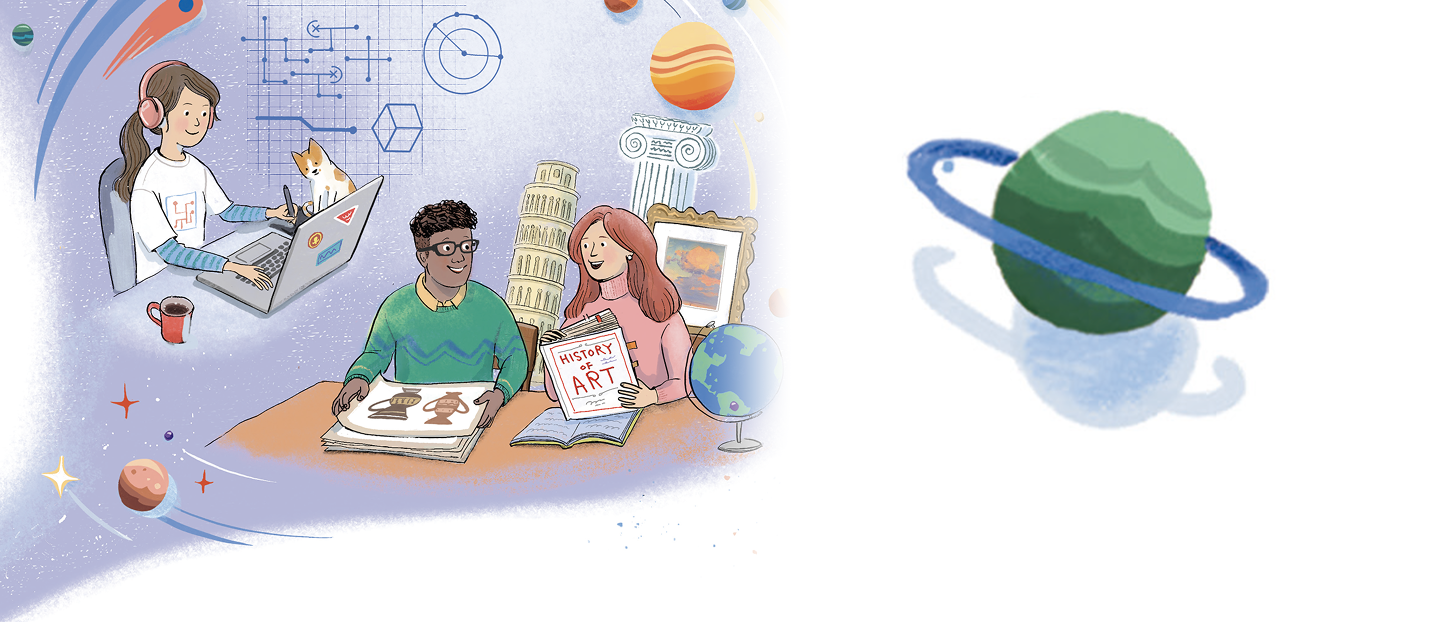
Amateurs in many other fields have made important contributions through their hobbies, such as amateur programmers developing new technologies, amateur writers publishing their work in local magazines, amateur history researchers preserving historical sites.

developing new technologies, publishing their work in local magazines, preserving historical sites는 각각 앞의 amateur programmers, amateur writers, amateur history researchers를 수식하는 분사구이다.

Read 해석

There are many reasons why people pursue hobbies.
사람들이 취미를 추구하는 데는 여러 가지 이유가 있다.
For many people, the challenge of learning a new skill or achieving a difficult goal is their primary motivation.
여러 사람에 있어서, 새로운 기술을 배우거나 어려운 목표를 달성하는 도전 과제가 그들의 주된 동기이다.
Other people enjoy hobbies for the communities they can become a part of or the friendships they can make there.
다른 사람들은 일원이 될 수 있는 공동체나 그곳에서 맺을 수 있는 우정을 위해 취미를 즐기기도 한다.
Still others enjoy hobbies because they can lose track of time and be in the moment, similar to being in a meditative state.
그 밖에도 다른 사람들은 시간 가는 줄 모르고 그 순간에 몰입할 수 있기 때문에 취미를 즐기기도 하는데, 이는 명상
상태에 있는 것과 비슷하다.
Some people even end up making contributions to society through their hobbies, oftentimes unexpectedly.
어떤 사람들은 심지어 자신의 취미를 통해 흔히 예상치 못한 방식으로 결국 사회에 공헌하기도 한다.
It is the physical, mental, or emotional experience, or even a combination of them that makes a hobby rewarding and fun.
취미를 보람 있고 재미있게 만드는 것은 바로 신체적, 정신적, 또는 정서적 경험, 혹은 심지어 이들의 조합이다.
Perhaps it should be called “pleisure.”
어쩌면 그것은 ‘즐거움을 주는 여가(pleisure, pleasure + leisure)’라고 불려야 할지도 모른다.
전체 해석보기
문장별 해석보기

Self-Check

Read the text again and record your reading time.
2nd
min. sec.
Read more! Go to the World Link. pp. 30~31
듣기