Paragraph 6
AI continues to advance in aquaculture to extend beyond caged fish.
In particular, smart fish farming technologies can be applied to seaweed farming.
Seaweed is as valuable a source of food as fish.
It’s also a source of fuel and an important ingredient for cosmetics, fertilizers, and other medicinal and industrial products.
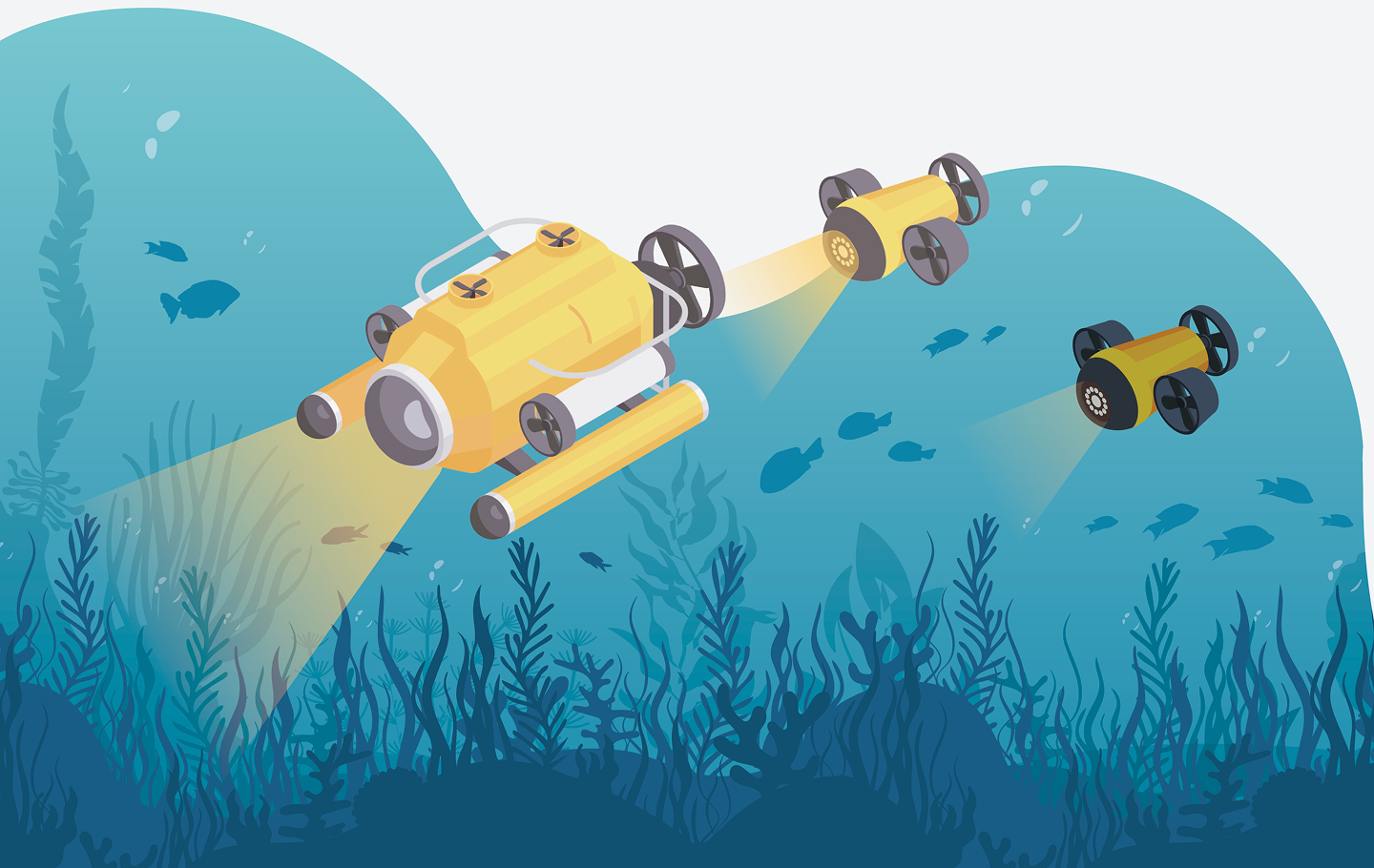
As such, ongoing research is exploring various ways AI can help in the seaweed industry, including the use of autonomous underwater vehicles (AUVs) and swarm robotics.
Using cameras and sensors, AUVs can do many of the analytical and diagnostic tasks on seaweed farms.
Swarm robots, or many small robots working together, can swim in and around seaweed farms to collect data and then make decisions on how to deal with problems that arise.
Single larger robots or even humans may be available to take care of the physical labor from removing harmful weeds to harvesting;
however, swarm robots may be more efficient and cost-effective.
valuable
= precious
= priceless
Seaweed is as valuable a source of food as fish.

as valuable a source of food as는 ‘~만큼 ...한 ~’의 의미를 나타내는 「as+형용사+명사+as」의 어순으로 쓰인 비교 구문이다.

As such, ongoing research is exploring various ways AI can help in the seaweed industry, including the use of autonomous underwater vehicles (AUVs) and swarm robotics.

As such는 ‘그리하여, 따라서’라는 의미로, 앞에서 언급된 사실을 바탕으로 그에 대한 결론에 대해 말할 때 쓴다.

AI can help in the seaweed industry는 various ways를 수식하는 관계절로, AI 앞에 목적격 관계대명사가 생략되었다.

Swarm robots, or many small robots working together, can swim in and around seaweed farms to collect data and then make decisions on how to deal with problems that arise.

문장의 주어는 Swarm robots이며, 동사는 can swim과 (can) make인데 and then으로 연결되어 병렬 구조를 이룬다.

or many small robots working together는 앞뒤 콤마를 사용한 삽입구로 Swarm robots를 보충 설명한다.

that은 선행사 problems를 수식하는 주격 관계대명사이다.

Single larger robots or even humans may be available to take care of the physical labor from removing harmful weeds to harvesting; however, swarm robots may be more efficient and cost-effective.

from removing harmful weeds to harvesting은 from A to B를 이용하여 the physical labor를 구체적으로 설명한다.

Read 해석

AI continues to advance in aquaculture to extend beyond caged fish.
AI는 수산 양식에서 계속 진보하며 어류 양식 너머로 확장되고 있다.
In particular, smart fish farming technologies can be applied to seaweed farming.
특히 스마트 어류 양식 기술은 해조류 양식에도 적용될 수 있다.
Seaweed is as valuable a source of food as fish.
해조류는 물고기만큼이나 귀중한 식량 자원이다.
It’s also a source of fuel and an important ingredient for cosmetics, fertilizers, and other medicinal and industrial products.
그것은 또한 연료 자원이며, 화장품, 비료 및 기타 의약품과 산업 제품의 중요한 성분이다.
As such, ongoing research is exploring various ways AI can help in the seaweed industry, including the use of autonomous underwater vehicles (AUVs) and swarm robotics.
그리하여, 현재 진행 중인 연구들이 AI가 해조류 산업에 도움이 될 수 있는 다양한 방법을 탐구하고 있는데, 이는
자율 무인 잠수정(AUV)과 군집 로봇 기술을 사용하는 방법을 포함한다.
Using cameras and sensors, AUVs can do many of the analytical and diagnostic tasks on seaweed farms.
AUV는 카메라와 센서를 사용하여 해조류 농장에서 많은 분석 및 진단 작업을 수행할 수 있다.
Swarm robots, or many small robots working together, can swim in and around seaweed farms to collect data and then make decisions on how to deal with problems that arise.
군집 로봇, 즉 여러 소형 로봇들이 협력하여 해조류 농장의 안팎과 주변을 헤엄쳐 다니며 데이터를 수집하고 나서,
발생 중인 문제를 해결할 방법을 결정할 수 있다.
Single larger robots or even humans may be available to take care of the physical labor from removing harmful weeds to harvesting;
however, swarm robots may be more efficient and cost-effective.
더 큰 단일 로봇이나 인간을 유해 잡초 제거부터 수확까지의 물리적 노동을 처리하는 데 이용할 수도 있지만,
군집 로봇이 더 효율적이고 비용 효율적일 수 있다.
전체 해석보기
문장별 해석보기
듣기